
High power bills eat up restaurant profits every day. Using outdated kitchen machines causes extreme financial waste across multi-store operations. Energy Star units fix this ongoing problem right away.
Energy Star equipment cuts chain restaurant operating expenses by reducing annual utility usage by 350 MMBtu per location. Certified units lower direct electric, gas, and water costs by $4,000 to $5,300 per store, while reducing kitchen heat waste and overall HVAC cooling loads.
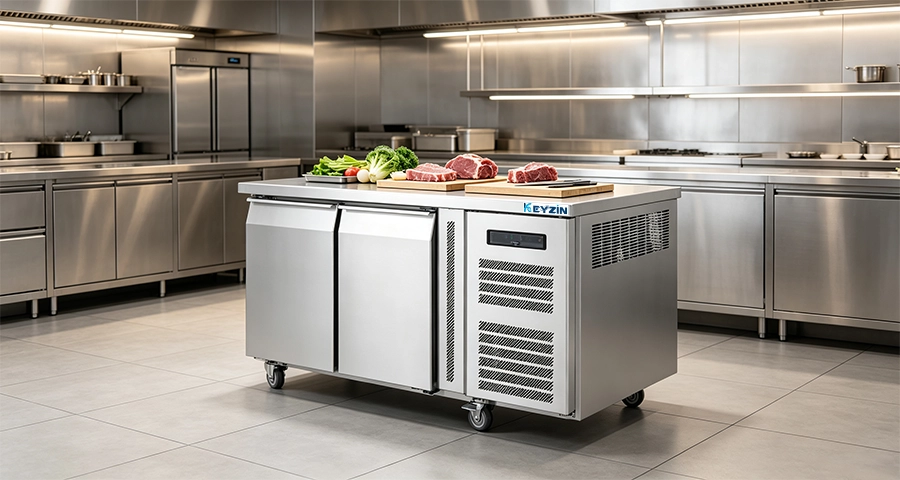
When I visit chain buyers and equipment dealers across Europe, I always talk about total operating costs. Buying the right commercial kitchen machines protects your profit margins over time. Let us look at how certified equipment changes your bottom line.
How Do Rising Electricity Rates Impact Multi-Store Operating Costs?
Surging power rates drain cash flow from multi-store restaurant networks. Running standard appliances triggers massive peak demand charges during lunch rushes. Upgrading your equipment prevents this heavy financial burden.
Commercial electricity rates increase multi-store operating expenses through basic kilowatt consumption and expensive peak demand surcharges. Energy Star equipment maintains a lower continuous power draw, which prevents utility peak penalties and stabilizes budget planning across all branch locations.
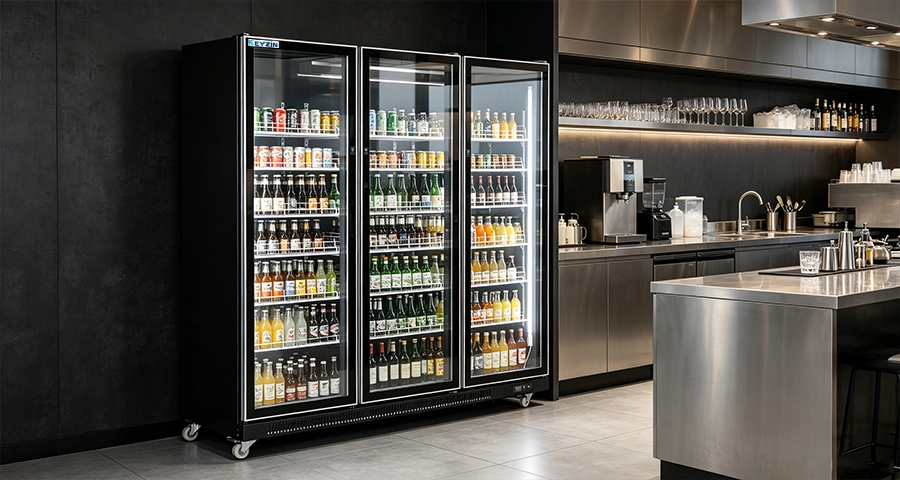
Managing Grid Power Loads and Secondary Kitchen Heat
I often talk with store managers who dread opening their monthly electric bills. Utility providers charge very high rates when all your stores turn on heavy appliances at the exact same hour. Standard kitchen equipment pulls huge electrical currents during morning prep and lunch service. This sharp surge creates expensive peak power penalties across your entire network. Certified units utilize variable-speed compressors and efficient heating elements to smooth out these power spikes.
Furthermore, standard commercial appliances push massive amounts of waste heat directly into your kitchen workspace. Your building air conditioning has to work twice as hard to remove that heat. Certified equipment stays cool on the outside and holds temperature on the inside. This smart engineering cuts down the daily workload on your HVAC system and saves additional electricity every month.
| Cost Category | Standard Kitchen Equipment | Energy Star Certified Unit |
|---|---|---|
| Peak Power Surcharges | High electrical spikes trigger fees | Balanced power draw avoids penalties |
| Secondary HVAC Workload | Heavy heat output strains cooling | Low heat loss cuts air conditioning run time |
| Overall Utility Budget | Uncontrolled expense growth | Steady savings of up to 350 MMBtu yearly |
How Much Energy Do Efficient Refrigerators, Ice Machines, and Holding Cabinets Save?
Non-stop commercial refrigeration units silently drain restaurant budgets day and night. Uninsulated hot holding cabinets leak heat continuously into the kitchen. Certified cold and hot units stop this unnecessary waste.
Certified commercial refrigerators lower electricity consumption by 20% using advanced motors and tight insulation. Certified ice machines cut energy use by up to 16% and water by 20%, saving $1,300. Insulated holding cabinets slash energy waste by up to 70%.
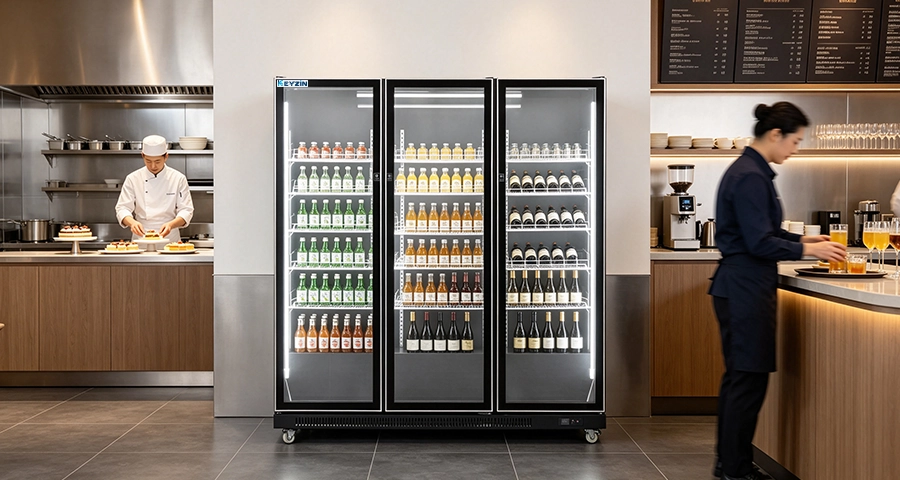
Technical Upgrades Inside Certified Cold and Hot Units
During my regular factory inspections, I always test the thermal insulation of cold and hot holding equipment. Older uninsulated holding cabinets allow heat to escape straight through their metal walls. They waste thousands of kilowatt-hours every single year just trying to stay warm. Certified holding cabinets feature dense polyurethane insulation that locks the heat inside where food stays fresh. This thermal barrier cuts holding power needs by up to 70%.
Refrigeration systems show equal efficiency gains. Modern solid-door reach-in refrigerators run on electronically commutated motors (ECM) and high-density foam panels. These units keep cold air locked tight and protect the compressor from burnout. Modern batch and continuous ice makers also use optimized harvest cycles that dump less cold water down the drain, delivering reliable daily savings for heavy ice operations.
| Appliance Category | Advanced Core Technology | Direct Operational Benefit |
|---|---|---|
| Solid-Door Fridges | ECM fan motors and magnetic seals | 20% less electricity used every day |
| Commercial Ice Machines | Fast cycle harvest and purge control | 10% to 16% less power, 20% less water |
| Hot Food Holding Cabinets | Full-perimeter thermal insulation | Up to 70% reduction in heat loss |
How Can Chain Operators Unlock Government Rebates and Utility Incentives?
High equipment purchase prices often delay critical kitchen upgrades. Restaurant groups miss out on massive cash incentives simply by buying non-certified units. Choosing certified equipment lets you claim these cash rebates immediately.
Chain operators can unlock government and utility incentives by purchasing certified equipment that qualifies for midstream and downstream rebate programs. These financial programs provide instant discounts or direct cash rebates ranging from $50 to several thousand dollars per unit.
Securing Midstream and Downstream Cash Rebates
Energy providers actively pay commercial businesses to use less power from the public grid. Because of this policy, utility programs offer two easy paths for kitchen equipment buyers: midstream point-of-sale discounts and downstream mail-in rebates. Midstream discounts appear right on the dealer sales invoice, reducing your initial purchase cost with zero extra paperwork.
Downstream rebate programs require you to submit proof of purchase and product serial numbers after installation. When you purchase complete kitchen packages for ten or twenty store locations, these rebates stack into tens of thousands of dollars in direct cash returns. I always encourage purchasing directors to check local utility rebate databases before finalizing their equipment lists so they do not leave free money behind.
| Incentive Program | How It Works | Financial Return to Buyer |
|---|---|---|
| Midstream Rebates | Instant discount at checkout | Lowers initial purchase price immediately |
| Downstream Rebates | Cash check mailed after installation | Cash back per verified machine serial number |
| Tax Depreciation | Accelerated energy asset write-offs | Reduces overall annual business taxes |
What Is the Real Total Cost of Ownership and Payback Period?
Looking only at the initial equipment price tag leads to serious financial losses. Cheap kitchen machines break down often and draw huge amounts of electricity. Tracking Total Cost of Ownership (TCO) protects your long-term capital.
Total Cost of Ownership includes the initial machine purchase price, ongoing utility usage, and lifetime repair expenses. Combining annual utility savings of $4,000 to $5,300 with equipment rebates reduces the payback period of certified units to just 1 to 3 years.
Analyzing Complete Lifecycle Costs Over Five to Ten Years
The initial sticker price only represents about 15% to 20% of what a commercial appliance actually costs over its lifespan. The remaining 80% goes toward daily utility bills and emergency service calls. When I help chain operators build out five-year equipment budgets, high-efficiency models always deliver the best financial return.
Certified appliances use premium commercial components like variable-speed compressors, reinforced hinges, and heavy-duty silicone door gaskets. These durable parts reduce breakdown rates during busy store hours and prevent emergency repair visits. When you combine fewer service calls with thousands of dollars in annual power savings, the higher purchase price of certified equipment pays for itself in 12 to 36 months.
| Financial Metric | Standard Kitchen Machine | Energy Star Certified Machine |
|---|---|---|
| Initial Purchase Cost | Lower initial cash spend | 10% to 20% higher upfront investment |
| Annual Energy Spend | High continuous power and water costs | Saves $4,000 to $5,300 across utilities |
| Maintenance Expenses | Frequent part failures and repairs | Higher durability with fewer breakdowns |
| Full Payback Time | Zero return on utility waste | Complete capital recovery in 1 to 3 years |
Why Should Equipment Dealers Source Certified Units for Chain Accounts?
Supplying non-certified equipment causes dealers to lose multi-store procurement contracts. Restaurant chains demand verified compliance across every state and region. Stocking certified equipment gives dealers a decisive competitive edge.
Dealers should source certified equipment because major restaurant chains require verified Energy Star, ETL, and NSF compliance to meet corporate purchasing standards. Supplying compliant units ensures utility rebate eligibility and qualifies dealers to win large multi-unit chain tenders.
Meeting Enterprise Purchasing Standards and Building Dealer Trust
Chain restaurant purchasing managers work with strict equipment specifications. They automatically reject supplier proposals that lack official third-party energy and sanitation certifications. Sourcing certified models allows commercial equipment dealers to bid on national account rollouts with total confidence.
I work directly with overseas distributors who supply large regional chains, and these buyers demand uniform equipment specifications across all their stores. Providing certified refrigeration and holding lines ensures that chain customers can collect local utility rebates no matter where they build new stores. In addition, certified equipment prevents frequent warranty claims, protects dealer reputation, and builds long-term client loyalty.
| Dealer Factor | Non-Certified Equipment Lines | Certified Compliant Equipment Lines |
|---|---|---|
| RFP Eligibility | Excluded from national chain bids | Fully qualified for enterprise supply bids |
| Rebate Compatibility | Ineligible for local energy incentives | Approved for utility rebates across all regions |
| Product Reliability | Basic components with higher failure rate | Built with verified ETL, NSF, and Energy Star parts |
Conclusion
Energy Star equipment cuts restaurant utility bills, reduces kitchen heat, unlocks valuable rebates, and delivers full financial payback within one to three years.